

In Ghana, football has long served as more than a game.
It creates shared experiences across age groups, professions, regions, and political affiliations. For brief moments, millions of people focus on the same event, discuss the same decisions, celebrate the same victories, and lament the same defeats.
Such collective emotional experiences are relatively rare in modern societies. We know they contribute to social cohesion, strengthen shared identities, and reinforce a sense of belonging. This is the reason the Black Stars represent more than a football team, they are a focal point for national identity and collective emotion.
From a scientific perspective, the enduring relationship between supporters and the team reveals something important about human behaviour. People are remarkably capable of maintaining hope despite uncertainty, recovering after disappointment, and finding meaning through shared experiences. The national hope despite the blackstars record is a clear example of this.
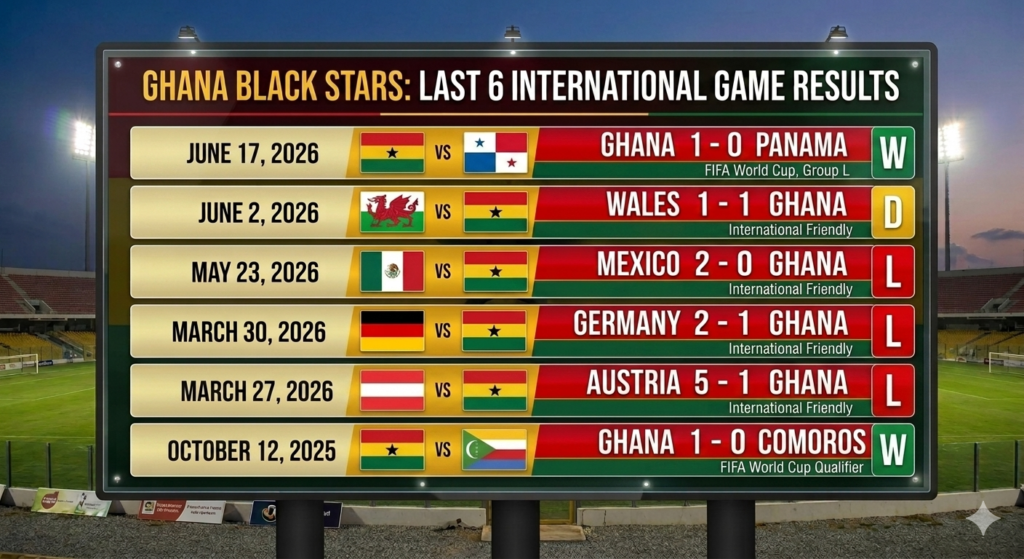
Perhaps that is the real lesson of football fandom. Not simply how we celebrate success, but how we learn to continue believing after setbacks. And if resilience is the capacity to keep going despite disappointment, then generations of Black Stars supporters may have been training for it all along.
The Black Stars Effect: A National Case Study in Emotional Resilience
Every Ghanaian football fan knows the feeling intimately. The electric anticipation that builds as the referee’s whistle signals the start of a match. The explosive joy when a Black Star slots one into the net. The collective groan, or stunned silence, that follows a missed opportunity or a heartbreaking concession. Over ninety-plus minutes, and often long after the final whistle, an entire nation rides these waves together.
For generations, the Black Stars have transcended sport to become a living thread in Ghana’s social and cultural fabric. These shared emotional journeys are more than entertainment. They offer a powerful, real-world laboratory for understanding human social identity, the neuroscience of hope amid uncertainty, and the mechanics of emotional resilience.
More Than A Game
Why Victories and Defeats Feel Deeply Personal? At the heart of this phenomenon lies Social Identity Theory, developed by psychologists Henri Tajfel and John Turner. The theory posits that a significant part of our self-concept derives from the groups we belong to, whether by nationality, profession, ethnicity, or shared passion. National teams like the Black Stars serve as especially potent symbols of collective identity.
When Ghanaians declare “we won” or “we lost,” they are expressing a genuine psychological reality. Fans often “bask in reflected glory”, incorporating team successes into their own self-image, which boosts personal esteem and national pride. Defeats can sting personally too, yet this identification fosters a sense of belonging that cut across divides. In Ghana, where football has historically rallied the nation during challenging times, this group identity reinforces social cohesion in ways few other forces can.
The Neuroscience of Hope and Uncertainty
The emotional pull of a Black Stars match also runs deep in the brain’s reward circuitry. While dopamine is popularly linked to pleasure, neuroscientists emphasise its role in motivation, anticipation, and processing reward prediction errors — the gap between what we expect and what actually occurs.
Matches saturated with uncertainty from a late equaliser, a penalty shootout, or a comeback from behind all powerfully engage these systems. Uncertain rewards often trigger stronger dopaminergic responses than predictable ones, keeping fans glued to the action. This is why it can be so hard to stay away from supporting the Black Stars.
The Resilience Cycle: Why Fans Keep Coming Back
The true wonder of Black Stars fandom may lie not in the celebrations but in the recoveries. Psychological resilience, the capacity to adapt and bounce forward after adversity. A devastating loss can bring frustration, sadness, or anger. Yet most supporters do not abandon the team permanently. Instead, focus shifts to the next match, the promise of young talents, tactical adjustments, or renewed qualification campaigns. This cycle of optimism, disappointment, emotional processing, adaptation, and renewed hope builds psychological flexibility in a socially supported environment.
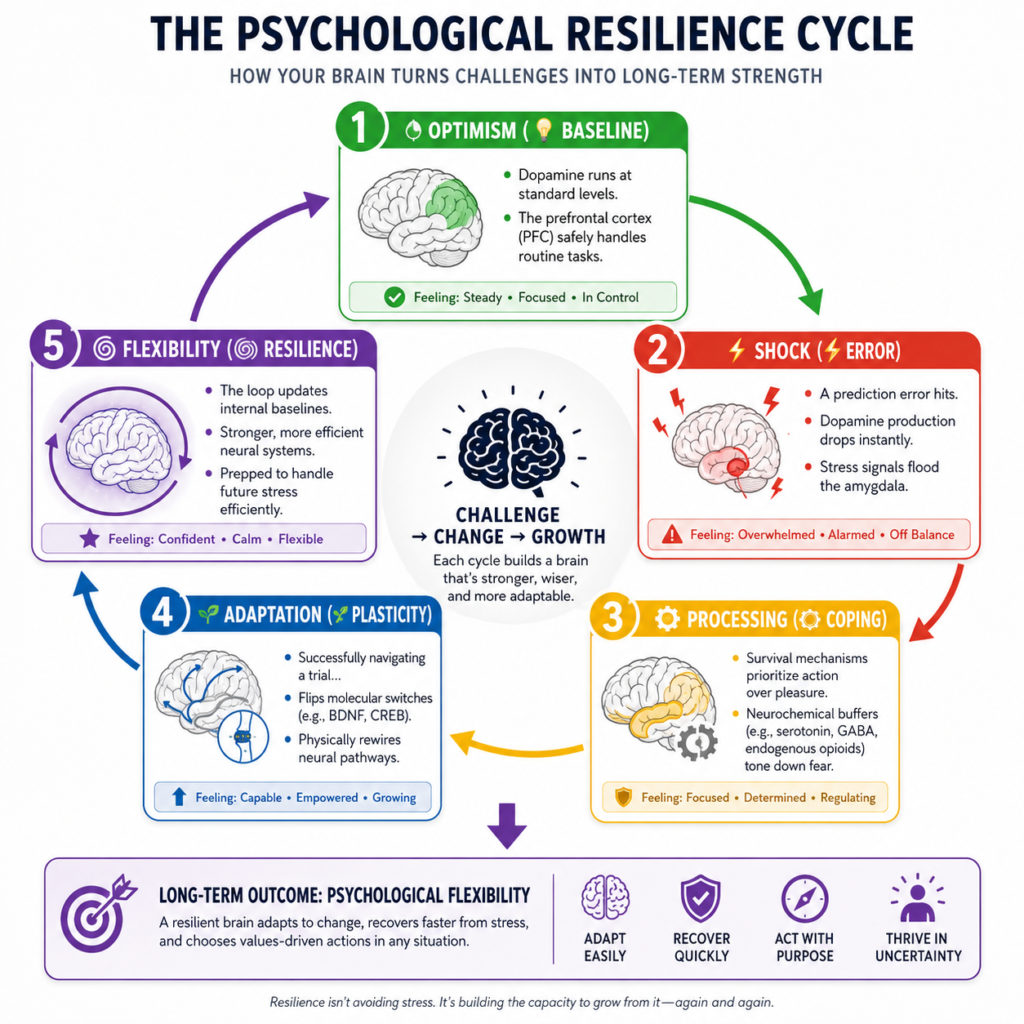
Sports psychologists note that fans develop sophisticated coping strategies: reframing defeats as learning opportunities, drawing on past glories, or investing in the development of the next generation..
More Than a Game: A Mirror for National Character
In Ghana, the Black Stars are woven into the national story. They create rare moments of unified national attention in an increasingly fragmented world. Millions tune in, debate tactics in markets and offices, celebrate together, and console one another. These shared rituals strengthen social bonds, affirm identity, and offer a collective emotional outlet.
From a scientific viewpoint, the enduring loyalty of Black Stars supporters illuminates a profound truth about human nature: we are wired for connection, capable of sustaining hope through uncertainty, and remarkably adept at recovering from setbacks when anchored in community.
The real lesson of this national fandom extends far beyond the pitch. It reveals how generations of Ghanaians have, perhaps unknowingly, been cultivating emotional resilience; learning to believe, to endure, and to rise again. In the highs and lows of supporting the Black Stars, we do not just watch a game. We see ourselves, our nation, and our shared capacity to keep moving forward, no matter the scoreline.
As Ghana prepares for our next game with England, the Black Stars Effect reminds us that true victory often lies in the character forged along the journey. That is a story worth celebrating and studying for years to come.